iPET Network Level 4 Diploma in Dog Training and Instruction
Learn the Theory. Develop the Skill. Become the Instructor.
Knowing how training works is the starting point. Putting it into practice with different dogs and teaching their owners takes experience, observation and skilled guidance.
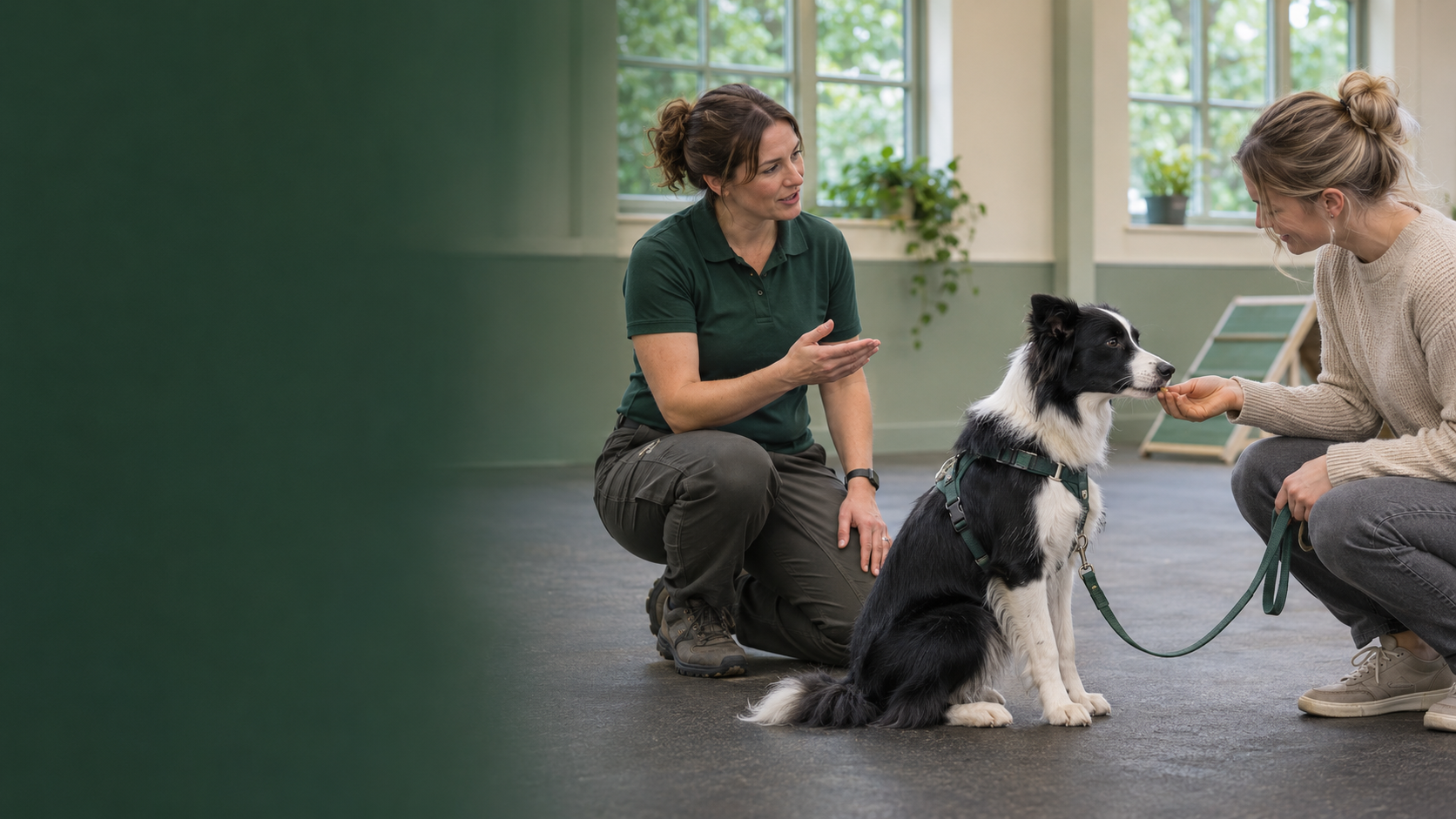
At The LCA Institute, you’ll combine online study and live tuition with six practical learning days at Lancashire Canine Academy in Accrington.
Led by Marcia Ashworth BA (Hons) IMDT, this diploma helps you develop your reward-based training skills, understand canine behaviour and coach people with clarity and confidence.
Whether you’re building a new career or developing your existing practice, canine welfare and professional standards underpin your learning.
Course at a Glance
Qualification: iPET Network Level 4 Diploma in Dog Training and Instruction
Awarding organisation: iPET Network
Study format: Online learning, scheduled live tutor sessions and in-person practical workshops
Practical learning: Six days at Lancashire Canine Academy, delivered across three two-day blocks
Work experience: A minimum of 168 hours in a suitable setting, arranged by the learner before registration
Guided learning hours: 74
Total qualification time: Approximately 370 hours, including guided learning, independent study, work experience and assessment
Assessment: Portfolio of evidence and practical assessments, including an in-person microteach
Course fee: £3,995
Minimum age: 18
Lead tutor: Marcia Ashworth BA (Hons) IMDT
Course dates: Contact us for upcoming cohorts
Understand Dogs. Develop People.
Effective instruction brings together knowledge of dogs, practical training skills and the ability to help people learn.
Canine Ethology
Explore how dogs’ evolution and natural behaviour influence their motivations, needs and responses to training.
Canine Health and Handling for Dog Training Instructors
Understand how health affects training, recognise potential concerns and develop safe, thoughtful handling practices.
Principles of Canine Behaviour and Communication
Learn to interpret body language and emotional states, and understand the relationship between dogs and their handlers.
Canine Socialisation
Explore appropriate socialisation and habituation, recognising individual needs and the importance of carefully managed experiences.
Principles of Dog Training
Develop your understanding of learning theory, reinforcement and techniques for teaching skills and adapting training.
Principles of Instruction for Dog Trainers
Learn to plan sessions, demonstrate clearly, coach handlers and adapt your teaching to different learners.
Practical Dog Training and Instruction
Apply your knowledge through practical training and instruction, evaluating your performance and using feedback to improve.
Online Knowledge. Hands-On Development.
Study With Support
Work through online resources and coursework alongside scheduled live tutor sessions. Explore theory, discuss real-world scenarios and ask questions as your understanding develops.
Practise With Purpose
Attend six practical days at LCA, organised into three two-day blocks. These give you time to practise, receive feedback and develop your skills with dogs and handlers.
The blocks are spaced across the course so you can apply your learning between visits and return ready to build on your experience.
Block One: Training Dogs
Develop observation, handling, reinforcement and timing skills. Practise breaking exercises into achievable steps and adapting your approach to the dog in front of you.
Block Two: Teaching People
Practise demonstrations, coaching and lesson planning. Learn to communicate clearly, support different learners and manage group training sessions.
Block Three: Bringing It Together
Bring your training and instruction skills together through session delivery, reflection and individual feedback.
Practical dates and assessment arrangements will be explained before enrolment.
Build Experience Alongside Your Studies
You must complete a minimum of 168 hours of practical work experience in a suitable setting.
This could include relevant employment, volunteering or shadowing an experienced training instructor. Suitable opportunities may also be available within daycare or rescue environments, provided they support the qualification requirements.
You’re responsible for arranging access to a suitable setting before registration. We’ll discuss your proposed arrangements during your initial conversation and explain how to record your experience and gather evidence.
Your practical workshops and work experience serve different purposes. We’ll explain how your hours are recorded so you understand your full commitment.
your questions answered
-
This course is for aspiring dog training instructors and existing trainers who want to develop their knowledge, practical skills and teaching ability while working towards a regulated qualification.
-
You must be aged 18 or over and able to study at Level 4. We’ll discuss your previous learning, experience and suitability during an initial assessment.
You must also arrange access to suitable practical work experience before registration.
-
No. Online study and live tuition support your learning, but this course also includes six compulsory practical days at LCA and in-person practical assessment.
You’ll also complete your required work experience in a suitable setting.
-
At Lancashire Canine Academy, Dale Street, Accrington, Lancashire, BB5 0AP.
The six days are organised into three two-day blocks. Dates will be provided before you enrol so you can plan travel and other commitments.
-
Learners are responsible for arranging their own suitable work experience before registration.
We’ll discuss your proposed setting and whether it provides appropriate opportunities for your learning. Enrolment does not automatically include a placement at LCA.
-
You’ll build a portfolio demonstrating your knowledge and practical skills. Assessment includes practical tasks and an in-person microteach, where you demonstrate your ability to instruct others.
Your tutor will explain the evidence required and assessment arrangements. You must successfully meet all qualification requirements to achieve the diploma.
-
The qualification has an estimated total study commitment of 370 hours, including work experience and assessment.
Your completion time will depend on the cohort schedule, access to practical experience and progress with coursework. We’ll agree a realistic study plan before you enrol.
-
Before enrolment, we’ll discuss your learning needs and any reasonable adjustments.
Throughout the course, you’ll have scheduled live teaching, tutor feedback and agreed opportunities to review your progress and ask questions.
-
For online learning, you’ll need a reliable internet connection and a computer or tablet, with a camera and microphone for live sessions.
We’ll provide guidance on clothing, training equipment and any dog attendance arrangements before the practical workshops. Please speak to us before buying specialist equipment.
-
No. This diploma focuses on dog training and instruction. It does not award a clinical behaviour qualification or automatically confer membership or registration with a professional organisation.
-
Complete our course enquiry form. We’ll arrange a conversation about your ambitions, previous experience, learning needs and proposed work experience.
We’ll then explain the course dates, study commitments, assessment arrangements and payment terms before you decide whether to enrol.
Build a Career on Knowledge, Skill and Care.
Develop your practical ability, find your confidence as an instructor and learn to support dogs and their owners thoughtfully.
Talk to us about your ambitions and the next available cohort.